Coyote vs. Acme is finally in theaters. That sentence should not feel like a plot twist, but after the completed movie was shelved and nearly erased, its release became bigger than one Looney Tunes comeback.
The movie now has to win two different cases. The first is the ordinary one: is it actually good? The second is much messier: can rescuing completed art also make good business sense?
Opening-weekend reactions strongly favor the defense. The film arrived with overwhelmingly positive critic and verified-audience scores, although the response is not unanimous. The Associated Press published a sharply negative review, which is useful evidence too. This does not need fake consensus to become an important story.
The case is bigger than Wile E. Coyote
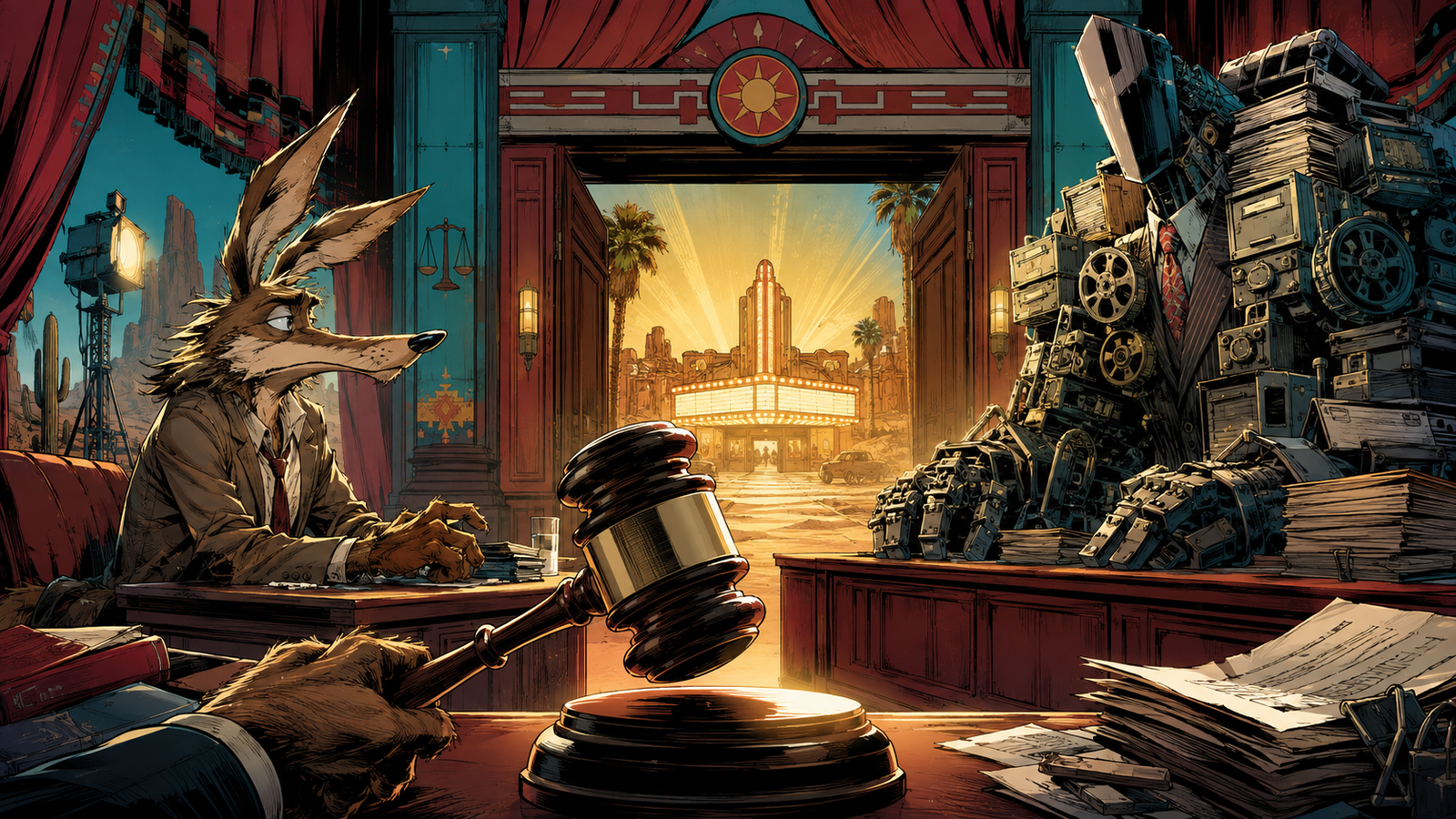
Will Forte plays the attorney representing Wile E. Coyote in a lawsuit against ACME, while John Cena stands on the other side of the courtroom. That is already a perfect Nerd Court premise. But the real-world battle surrounding the movie has become nearly as compelling as the fictional one.
A completed film with recognizable characters, working artists, and a real audience was treated like something disposable. Ketchup Entertainment eventually rescued it and gave it a theatrical release. Now moviegoers get to decide whether that rescue was merely a feel-good victory or the beginning of a viable business model.
That distinction matters. Studios will happily absorb online criticism if shelving a movie still looks better on a spreadsheet. A successful release creates a different kind of evidence: proof that completed work can retain value after the original studio gives up on it.
Strong reviews help—but the box office delivers the verdict
The early reception makes the original decision look worse, but reviews alone will not settle this case. A movie can be loved by critics, embraced by the people who see it, and still struggle to attract a large enough audience.
That is why opening weekend matters. Buying a ticket is not only a vote against shelving finished movies; it is a signal that people genuinely want this specific one. The strongest argument for preservation is not guilt or obligation. It is proving that rescued art can still entertain an audience and earn money.
There is also a danger in turning the movie into nothing but a symbol. Coyote vs. Acme still deserves to be judged as a comedy, not graded on a curve because of what happened behind the scenes. Supporting filmmakers and expecting a good movie can be part of the same verdict.
Nerd Court verdict
The audience is no longer merely reviewing a Looney Tunes movie. It is deciding whether rescuing completed art can be good business.
The film escaping the shelf is already a win. The harder question is whether enough people will show up to make shelving completed movies more difficult to defend the next time executives reach for that playbook.
Watch the official trailer, then present your evidence: are you buying a ticket because the movie looks good, because you want to support the filmmakers—or both?
Continue the case at the PWN Nerd Court, browse more nerd culture news, and see how DC turned another ridiculous courtroom premise into a genuine strategy discussion in The People v. Gorilla Grodd.